
Reviewed · VIETNAMESE COOKING CLASSES
Da Nang: Tandoori Naan Bread-Making Class
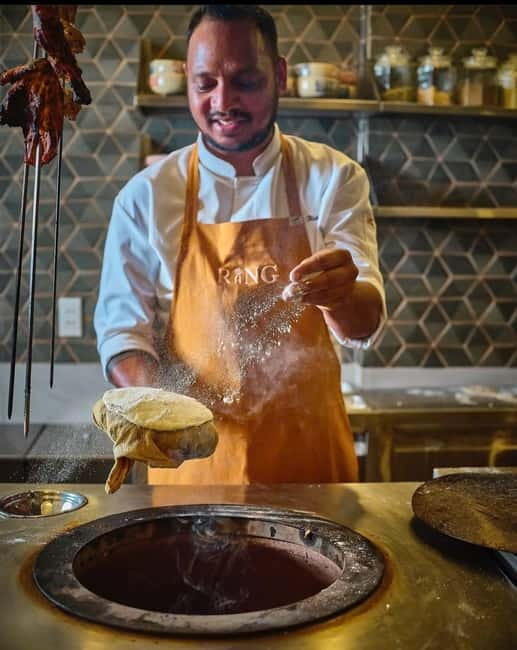
At RANG in Da Nang, you do not simply watch a cook make naan. You knead the dough, season it, shape it, and experience the satisfying slap of bread onto a hot tandoor. The class takes place in the working kitchen of a MICHELIN Bib Gourmand restaurant, so the cooking lesson shares space with the real lunch or dinner service.
I like the small group of up to eight, which gives the chef room to help beginners without turning the class into a crowded demonstration. I also like the practical home-cooking advice, especially the tips for making good naan without owning a tandoor. The main consideration is that the listed duration is one day, but no exact class length is given, so check the available start time before booking.
In This Review
- Key points at a glance
- RANG brings Indian bread into a Da Nang kitchen
- From dough to first bake
- The tandoor moment
- Plain, garlic, butter, and stuffed naan
- Fresh naan with signature dips
- What makes the $2.60 price unusual
- The people behind the class
- Who should book this Da Nang activity?
- Practical details before you reserve
- Should you book the RANG naan class?
- FAQ
- Where does the Tandoori Naan Bread-Making Class take place?
- How much does the class cost?
- How long does the activity last?
- Do I need previous cooking experience?
- How many people can join the class?
- Which languages are available?
- What kinds of naan can I learn to make?
- Is a meal included with the class?
- Can I learn how to make naan without a tandoor at home?
- Can children join the activity?
- Can I cancel for a full refund?
- Do I have to pay when I reserve?
Key points at a glance
- Make naan from the ground up: Work with dough, spices, toppings, and several naan styles rather than just watching a demonstration.
- Use a real tandoor: Experience the traditional baking method, with an oven alternative explained for home kitchens.
- Learn from Chef Manku and the RANG team: Chef Manku and server Amit received special praise for their warm, welcoming approach.
- Eat what you make: Fresh naan comes with signature dips, and you can also pair it with a restaurant meal if you choose.
- Pay very little for a hands-on class: At $2.60 per person, this is an unusually inexpensive food activity.
- Expect an easy entry point: No previous cooking skill is needed, but children under seven cannot join.
RANG brings Indian bread into a Da Nang kitchen
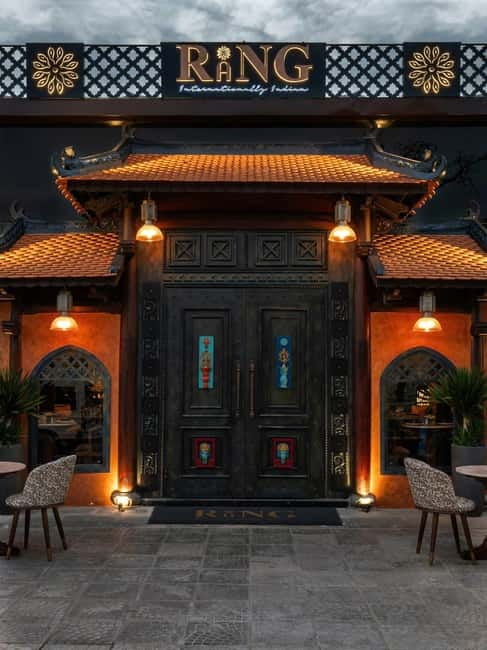
RANG is an Internationally Indian restaurant in Da Nang and the meeting point for the class. It received the MICHELIN Bib Gourmand award in 2024 and again in 2025, a distinction aimed at restaurants offering good food at moderate prices.
That setting matters. You are not in a separate teaching studio with a staged kitchen. The class happens in the restaurant’s working kitchen, alongside chefs preparing food for diners. One participant described the kitchen as clean and professional, while also noting the welcoming feel from the staff. You get a look at how naan fits into an active Indian restaurant, not just a classroom exercise.
The setting can make the activity feel more social and less formal. It can also mean that the kitchen is doing several jobs at once. If you prefer a silent, highly controlled cooking lesson, this may feel less polished than a dedicated school. If you enjoy seeing restaurant work up close, the setting adds useful context.
The group is limited to eight people. That is a sensible number for a task that involves dough handling and a hot oven. You should have a fair chance to ask questions, watch the technique closely, and get help with shaping.
More cooking classes in Da Nang:
- Da Nang Coffee Making Workshop
★ 4.9 · 543 reviews - 5 Dishes Cooking Class with Market Trip in Da Nang
★ 5.0 · 466 reviews - Da Nang Authentic Home Cooking Class
★ 5.0 · 354 reviews
From dough to first bake
The class begins with the foundation of naan: the dough. You learn how to prepare and knead it, then season it with authentic spices. The lesson is designed for beginners, so you do not need to arrive knowing how bread dough should feel or how naan is shaped.
This hands-on start is important. Naan looks simple when it arrives at a restaurant table, but the finished bread depends on several small choices. The dough must be worked properly, shaped without tearing, and prepared so it can handle the high heat of a tandoor.
You can expect the chef to explain the basic technique as you work. The available information does not specify a fixed recipe, ingredient list, or exact sequence of class activities, so do not book this expecting a formal printed cooking syllabus. Think of it as a guided kitchen session with plenty of direct practice.
The class covers classic plain naan as well as possible variations such as garlic, butter, and stuffed versions. Paneer and keema are given as examples of fillings. The exact selection may depend on the session, but the main lesson is clear: naan is not limited to one plain round of bread.
The tandoor moment
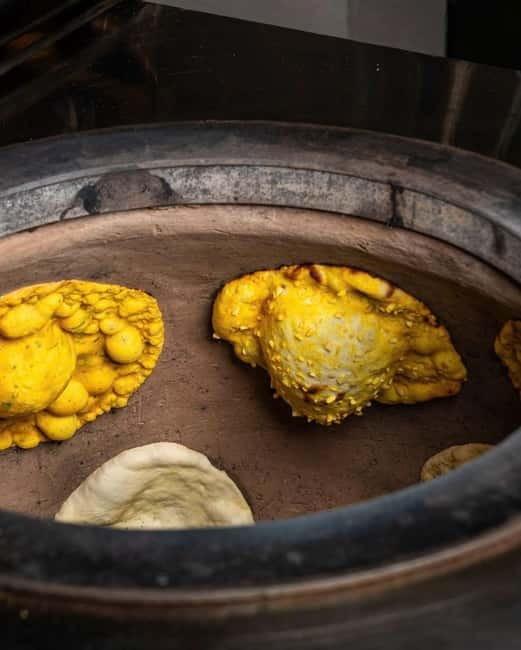
The most memorable part is likely the move from shaping to baking. You experience the traditional method of slapping naan onto the inside of a tandoor, where intense heat cooks the bread quickly and helps create its familiar soft center and browned surface.
This is also the point where the class feels different from an ordinary home baking lesson. A tandoor is central to the restaurant style of naan, and handling the bread near that heat requires care. The class presents the process as beginner-friendly, but you should still listen closely to the chef and follow instructions around the oven.
You also learn how to adapt the method at home. Not everyone has a tandoor, and one of the most useful parts of the class is the advice for baking naan with a home oven alternative. Jens from Germany particularly valued these tips after taking the class. That practical information may be more useful than a purely traditional demonstration because you can apply it after leaving Da Nang.
The home method will not be identical to restaurant naan from a charcoal-fired tandoor. Still, learning the differences gives you a better chance of making a satisfying version in your own kitchen. You leave with technique rather than just a pleasant food memory.
Plain, garlic, butter, and stuffed naan
Naan works as both a basic bread and a place for flavor. The class introduces variations that can include garlic, butter, and stuffed breads with fillings such as paneer or keema.
Plain naan lets you focus on the bread itself. Garlic and butter make the result more fragrant and familiar to many restaurant diners. Stuffed naan adds another skill because you must contain the filling while shaping the dough without creating weak spots.
The activity description connects naan with curries from different parts of India, including hearty meals associated with Punjab and royal feasts linked with Delhi. This gives the bread a wider food context. You are not only learning a side dish. You are learning why naan appears so often beside strongly seasoned sauces and how its texture helps scoop up a meal.
The class is especially useful if you already enjoy Indian food but have never thought about making the bread yourself. The lesson shows how one basic dough can change through toppings, fillings, and baking choices.
Same base, a completely different day out:
- Da Nang: Lady Buddha, Marble Mountains, and Am Phu Cave Tour
★ 4.7 · 3,373 reviews - Full Day Golden Bridge and Ba Na Hills Small Group Tour
★ 5.0 · 2,369 reviews - From Da Nang/Hoi An: Golden Bridge Ba Na Hills Full-Day Tour
★ 4.7 · 1,737 reviews - Da Nang: Han River Local Cruise by Night
★ 4.1 · 1,152 reviews
Fresh naan with signature dips
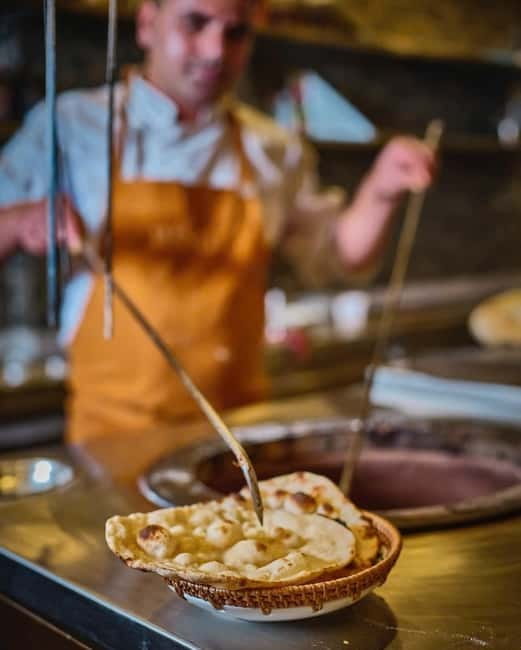
After baking, you taste the naan with signature dips. This is a simple but important part of the experience because hot naan is best judged immediately. You can notice the contrast between a crisp or browned outside and the softer middle while the bread is still fresh from the oven.
One participant paired the homemade bread with a lamb curry at the restaurant and found the combination enjoyable. A restaurant meal is not required, and the staff are not described as pressuring participants to order one. Still, RANG provides a natural place to continue the meal if you want to see how the bread works with curry.
That optional meal can make the class more satisfying for hungry visitors. It also increases the total cost beyond the $2.60 class price, so keep the two choices separate when planning your budget. The bread tasting and dips are included; a full curry meal is not listed as part of the class inclusions.
The food portion also gives you a chance to compare the different naan styles made during the session. Fresh bread from a tandoor has a character that is difficult to reproduce with packaged naan or a cold restaurant serving.
What makes the $2.60 price unusual
At $2.60 per person, the class is priced more like a small snack than a full cooking activity. You receive expert chef guidance, hands-on preparation, freshly baked naan, and signature dips. That makes the value unusually strong, especially if you are already planning to eat at RANG.
The low price does come with a reason to read the details carefully. The activity is offered for one day, but the exact length is not stated. You should check the available starting times and avoid assuming that the class occupies an entire morning or afternoon.
The price also does not mean you should expect a large, multi-course cooking school program. The focus is narrow and clear: learn to make tandoori naan. If you want instruction in several Indian dishes, this is not the right activity. If you want one specific skill taught in a real restaurant kitchen, it offers a lot for very little money.
The reserve-now, pay-later option adds flexibility, and cancellation is free up to 24 hours before the activity for a full refund. Those terms are useful if your Da Nang schedule is changing, but you should still confirm the start time before committing it to your day.
The people behind the class
The human side of the class received the strongest praise. Chef Manku and server Amit were singled out for their friendly and joyful approach, and the kitchen team was described as welcoming from the moment the class began.
That warmth matters in a beginner class. Bread making can feel awkward when you are unsure how firmly to knead or how thin to stretch the dough. A patient instructor makes it easier to try, make a mistake, and try again without feeling self-conscious.
The class is taught in English, Vietnamese, and Hindi. That gives you useful language flexibility, particularly in a mixed international group. The information does not identify every instructor for every session, so Chef Manku may not personally lead every booking. You can expect guidance from the RANG team, with the listed languages available.
The group size also helps the social atmosphere. With no more than eight participants, you are likely to see other people working through the same steps, but the class should remain small enough for direct help.
Who should book this Da Nang activity?
I would recommend the class to anyone who likes food and wants a short, practical activity rather than a sightseeing tour. It suits first-time cooks because no prior experience is required. You do not need to understand Indian cooking before arriving.
It is also a good choice for people who already order naan with curry but want to know how it is made. The home-oven guidance is a strong reason to book, especially if you have tried making flatbreads before and ended up with something dry, thick, or difficult to shape.
The class suits couples, solo visitors, and small groups of friends. The eight-person limit gives solo participants a manageable setting, while the tasting at the end gives a group something to share.
Children under seven are not allowed. Older children may enjoy the hands-on work, but the tandoor and hot cooking area mean they must be able to follow instructions carefully. The available information does not specify a special children’s format.
You should skip it if you want a full Indian cooking course, a tour around Da Nang, or a long cultural lecture. You should also think twice if you dislike working in an active restaurant kitchen. The class takes place in a real working kitchen, which is part of its appeal but may also bring more activity around you.
Practical details before you reserve
The meeting point is RANG, the Indian restaurant in Da Nang. Transport is not listed among the inclusions, so plan to reach the restaurant on your own.
The listed languages are English, Vietnamese, and Hindi. The group is small, with a maximum of eight participants. The activity is valid for one day, and you need to check availability for the starting time because no standard class duration is provided.
The included elements are:
- Tandoori naan bread-making instruction
- Hands-on work with the dough and baking process
- Guidance from the chef
- Freshly baked naan tasting
- Signature dips
Alcohol and drugs are not allowed. Free cancellation is available until 24 hours before the activity, and you can reserve without paying immediately through the pay-later option.
Should you book the RANG naan class?
Book it if you want a low-cost, hands-on food experience with a clear focus. The real kitchen, small group, tandoor baking, fresh dips, and home-oven tips give it more substance than a simple restaurant meal. Chef Manku and Amit add a personal touch, and the class is friendly to complete beginners.
The main caveat is the missing exact duration. Check the start time and allow enough room in your schedule before booking. Also remember that a curry meal is optional and costs extra.
At $2.60, this is an easy choice for anyone curious about Indian bread. You will leave with a better sense of how naan is made, a fresh tasting portion, and practical ideas for trying it at home.
FAQ
Where does the Tandoori Naan Bread-Making Class take place?
The class takes place at RANG, an Internationally Indian restaurant in Da Nang, Vietnam.
How much does the class cost?
The listed price is $2.60 per person.
How long does the activity last?
The activity is listed as valid for one day, but an exact class duration is not provided. Check the available starting times when booking.
Do I need previous cooking experience?
No. The class is designed for beginners, and no prior experience is needed.
How many people can join the class?
It is a small-group activity limited to eight participants.
Which languages are available?
Instruction is available in English, Vietnamese, and Hindi.
What kinds of naan can I learn to make?
The class covers the techniques behind tandoori naan and may include plain, garlic, butter, and stuffed variations such as paneer or keema.
Is a meal included with the class?
Freshly baked naan and signature dips are included. A separate restaurant meal, such as lamb curry, is optional and is not listed among the class inclusions.
Can I learn how to make naan without a tandoor at home?
Yes. The class includes tips for using a home oven as an alternative to a tandoor.
Can children join the activity?
Children under seven are not permitted to join.
Can I cancel for a full refund?
Yes. You can cancel up to 24 hours in advance for a full refund.
Do I have to pay when I reserve?
No. A reserve-now, pay-later option is available, allowing you to book without paying immediately.
Just added around Da Nang
- From Da Nang: Ba Na Hills Golden Bridge Private Tour & Lunch★ 3.3 · 3 reviews
- Golden Bridge- BaNa Hills & Marble Mountain By Private Car★ 4.7 · 3 reviews
- Best Tour/Transfer to Hue Imperial City from Da Nang/ Hoi An★ 5.0 · 3 reviews
- Danang Private Guided Night Tour and Bar★ 5.0 · 3 reviews
- Hot Mineral Mud Bath in Da Nang★ 3.5 · 3 reviews
- Da Nang: BaNa Hills & Golden Bridge Day Tour With 5 options★ 5.0 · 3 reviews
- Danang Food City Tour by Motorbike – Private Tour★ 5.0 · 3 reviews
- Da Nang Hotel to DA NANG AIRPORT Private Transfer Or Vice versa★ 5.0 · 3 reviews
Vietnamese Cooking Classes, compared.


5 Dishes Cooking Class with Market Trip in Da Nang
Read our review →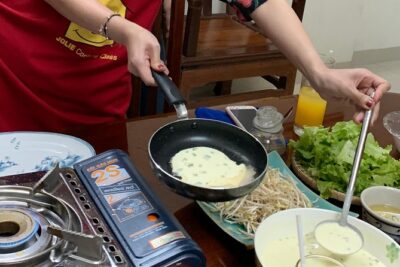
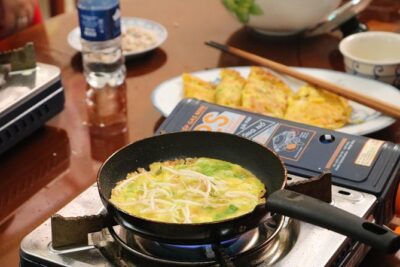
Da Nang Cooking Class with Coffee Tasting and Market Visit
Read our review →
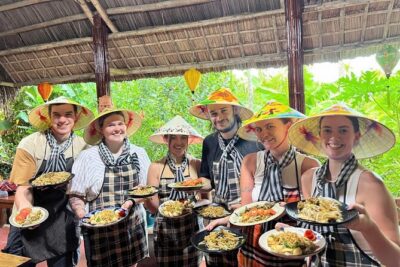
RICE PAPER Noodle Making Experience & Hoi An Cooking Class Class
Read our review →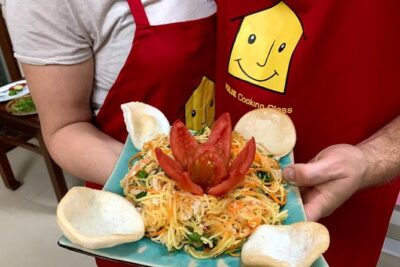
DaNang Farm-to-Table Cooking Class with Market and Coffee Tasting
Read our review →
My Son Sanctuary Guided Tour with Rice Paper Making from Da Nang
Read our review →Browse the lists this tour appears in