
Reviewed · VIETNAMESE COOKING CLASSES
Da Nang: Coffee Making And Cooking Class
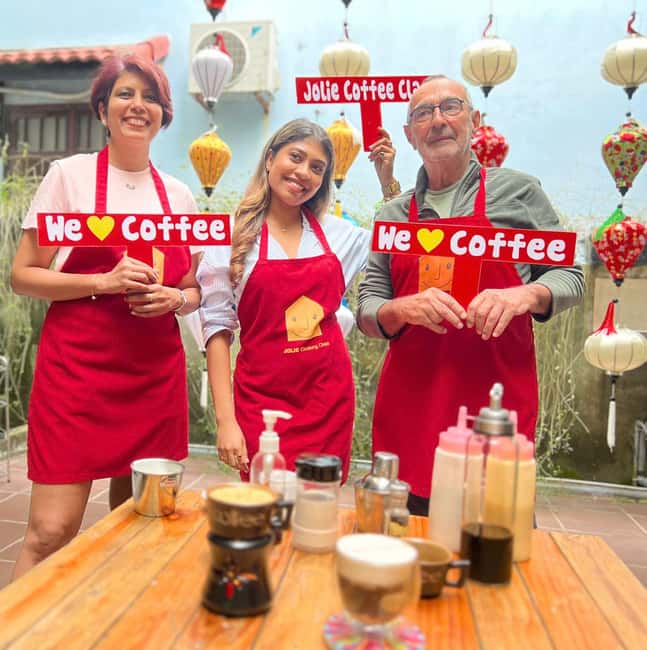
Vietnamese coffee is not just a quick morning drink. At Jolie Cooking Class, you learn the slow phin filter method, then turn the brew into egg coffee, salt coffee, and coconut coffee. The cooking session that follows gives the class a second act, with hands-on work from chopping ingredients to eating the finished meal.
I like the mix of coffee culture and local cooking, and I like the small-group setting. Rosie, Nhan, Kate, and Hannah are named as instructors, and the feedback points to patient English instruction with plenty of time for questions. The main caution is simple: several coffee tastings plus a full meal can be a lot, so arrive with little caffeine already in you.
In This Review
- Key points to know before booking
- Why this Da Nang class works so well
- Starting near Dragon Bridge
- The coffee lesson begins with local context
- Brewing with the traditional phin filter
- Managing the caffeine load
- Moving from coffee to Da Nang cooking
- Sitting down to eat what you made
- What the small group changes
- Who should book this experience
- Practical value at $50 per person
- Should you book Jolie Cooking Class?
- FAQ
- Where is Jolie Cooking Class located?
- How long does the class last?
- What time does the class start?
- Which Vietnamese coffees will I make?
- Will I learn how to use a phin filter?
- Is cooking included in the price?
- Is the class taught in English?
- Are children allowed to attend?
- Is the class suitable for people with heart problems?
Key points to know before booking
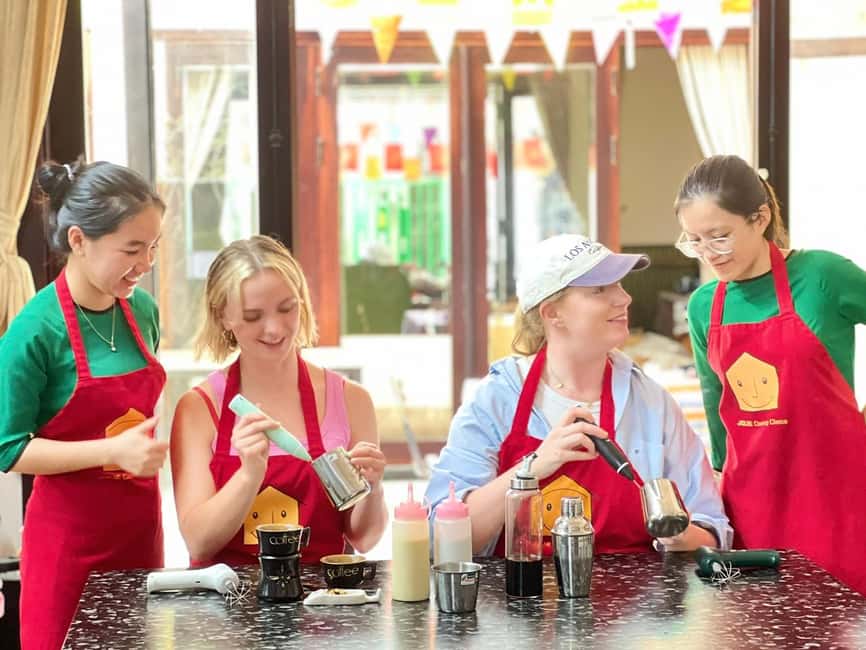
- Three signature Vietnamese coffees: Learn phin brewing, then prepare egg, salt, and coconut coffee.
- A four-and-a-half-hour food experience: The morning class begins at 8:30 AM, while the afternoon option starts at 2:00 PM.
- Cooking from the cutting board up: You take part in chopping ingredients and preparing traditional Da Nang dishes.
- Near Dragon Bridge: Jolie Cooking Class is at 14 An Trung Dong 6, a convenient central Da Nang location.
- Small-group attention: The format leaves room for questions and personal help, especially useful if you are new to coffee or cooking.
- A caffeine warning worth taking seriously: You may taste several coffees before sitting down to eat the meal you prepared.
Why this Da Nang class works so well
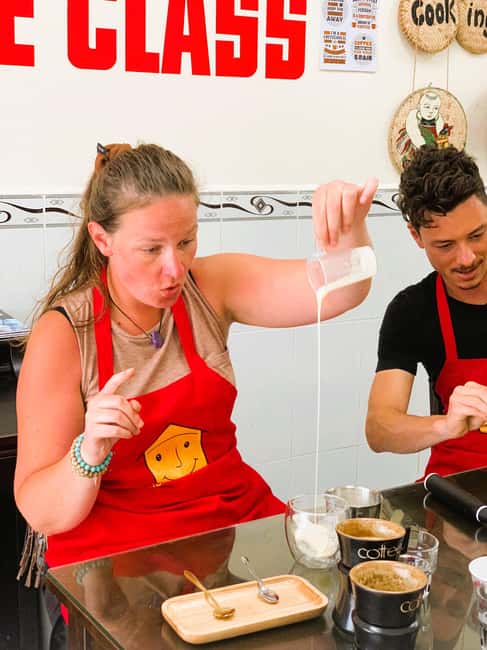
This is a good choice if you want more than a demonstration. You do not simply watch a host pour coffee or stir a pot. You learn the method, handle the ingredients, and sit down to eat what you made.
The coffee part also gives you a useful piece of Vietnamese daily life. Robusta beans are central to the country’s coffee culture, and the phin filter creates a slow, concentrated brew. It is a small metal filter placed over the cup, with coffee dripping gradually through it. That pace matters. Vietnamese coffee is designed to be watched, waited for, and enjoyed without rushing.
The class then moves into traditional Da Nang cooking. The exact dishes can vary or are not specified in the available details, but you can expect to prepare several local dishes and work through the full process. One participant described making four dishes, including chopping the ingredients, which suggests this is not a token cooking exercise.
At $50 per person, the price is reasonable if you value instruction, food, and a cultural activity in one booking. You are paying for 4.5 hours, several coffee preparations, a meal, an English-speaking instructor, and a small-group format. It is less appealing if you only want a cheap cup of coffee or a short market tasting.
More cooking classes in Da Nang:
- Da Nang Coffee Making Workshop
★ 4.9 · 543 reviews - 5 Dishes Cooking Class with Market Trip in Da Nang
★ 5.0 · 466 reviews - Da Nang Authentic Home Cooking Class
★ 5.0 · 354 reviews
Starting near Dragon Bridge
Jolie Cooking Class is located at 14 An Trung Dong 6, near Dragon Bridge in central Da Nang. The location makes practical sense for a half-day activity. You do not need to leave the city for a rural farm or spend time on a long transfer.
The listed coordinates are 16.059999465942383, 108.23539733886719. If you are staying in central Da Nang, check your route before setting off and allow time to find the entrance. The meeting point is the cooking school itself, not a separate café or hotel lobby.
You can choose an 8:30 AM or 2:00 PM start. The morning option finishes around 1:00 PM, while the afternoon class ends around 6:30 PM. I would choose the morning if you want the class to serve as breakfast and lunch, though you should eat something light first if coffee affects you strongly.
The afternoon option may fit better after a morning at the beach or a visit around Da Nang. It does mean finishing around dinner time, so plan your evening with a little flexibility.
The coffee lesson begins with local context
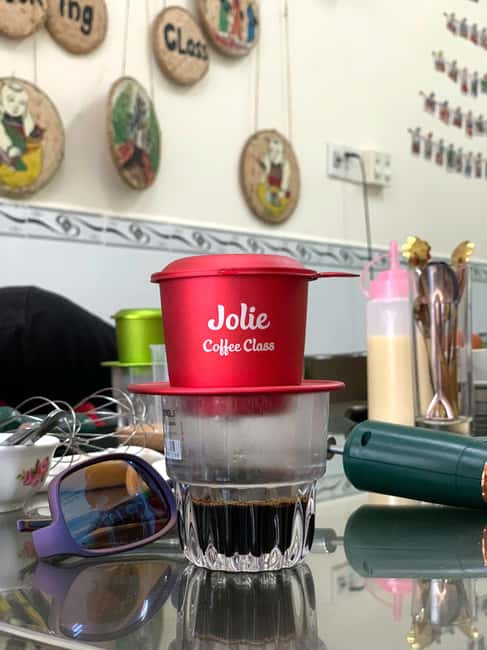
The class starts with a local snack and an introduction to Vietnamese coffee culture. This opening is useful because the drinks are not presented as random café inventions. You learn why Robusta beans matter, how the phin works, and how coffee fits into ordinary life in Vietnam.
Vietnamese coffee often has a stronger, heavier profile than the light filter coffee familiar to some people. That strength is part of the reason condensed milk, egg foam, coconut, or salt can work so well with it. The additions soften, balance, or reshape the coffee rather than simply decorating it.
English is the teaching language. The instructors named for this activity include Rosie, Nhan, Kate, and Hannah. The available feedback gives special praise to Rosie for her humor and enthusiasm, and to Rosie and Nhan for clear English explanations. That matters in a class where small timing details can affect the final cup.
You should expect a friendly, informal tone rather than a formal barista certification course. The goal is to understand the drinks and reproduce them at home, not to train for professional café work.
Brewing with the traditional phin filter
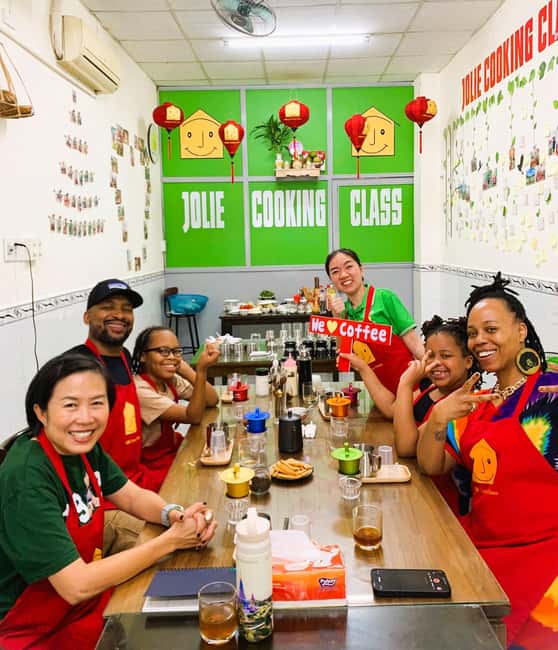
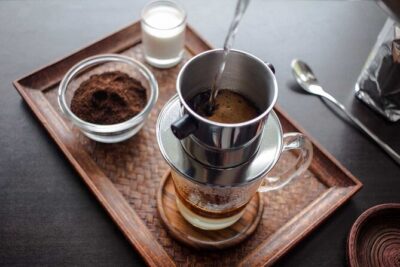
The hands-on coffee session begins with the phin filter. You learn how the coffee is placed in the filter, how the brewing process works, and how to let the coffee drip at its own pace.
This is the most valuable technical part of the experience. Once you understand the phin, you can order Vietnamese coffee with more confidence and perhaps buy the equipment later. The brewing ritual also teaches patience. You are not pressing a button and moving on. You watch the coffee form drop by drop.
You then taste different preparations, including:
- Egg coffee
- Salt coffee
- Coconut coffee
Egg coffee is the most famous of the three outside Vietnam. Its creamy topping gives strong coffee a dessert-like texture. Salt coffee may sound odd at first, but a small amount of salt can temper bitterness and sharpen the drink’s other flavors. Coconut coffee adds a cool, sweet, tropical note.
The class is especially helpful if you are new to coffee. You can compare the drinks while the differences are fresh. Coffee enthusiasts will also find enough detail to make the session worthwhile, particularly if they have not used a phin before.
The supplied details refer to making three named coffees, while one account describes preparing four coffees. The safe expectation is to plan for egg, salt, and coconut coffee, with the possibility of a fourth preparation depending on the class format.
A few more Da Nang departures worth comparing
- 5 traditional dishes Da Nang cooking class with market trip
★ 5.0 · 331 reviews - Da Nang Cooking Class with Coffee Tasting and Market Visit
★ 5.0 · 310 reviews - Hoi An: Lantern Making, Basket Boat, and Cooking Class
★ 4.9 · 233 reviews - RICE PAPER Noodle Making Experience & Hoi An Cooking Class Class
★ 5.0 · 164 reviews
Managing the caffeine load
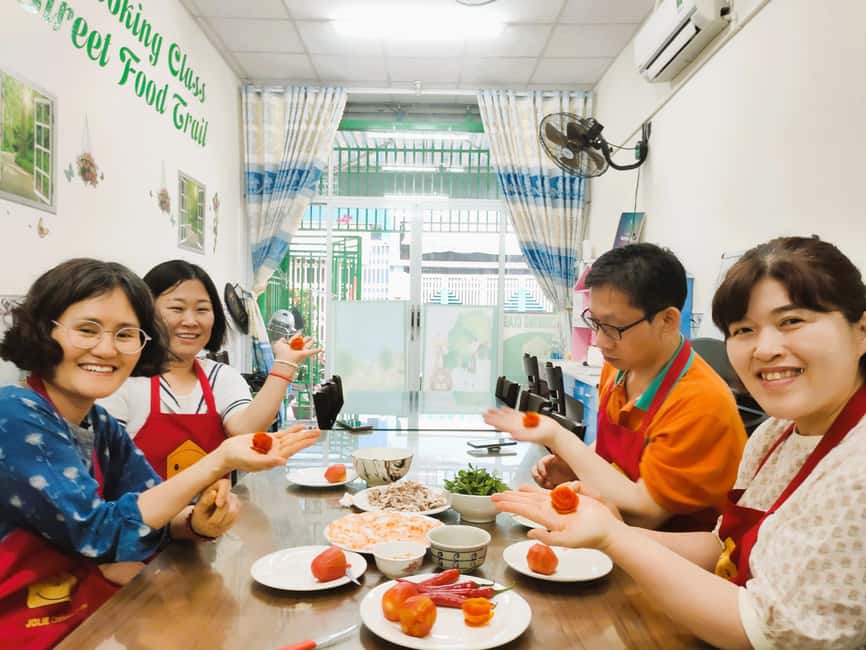
Do not treat the coffee tasting as a minor sample. You may prepare and drink several cups, and the coffees are made with strong Vietnamese-style beans. The class specifically advises you not to consume too much caffeine before arriving.
I would also avoid scheduling a large coffee breakfast immediately beforehand. A light meal is sensible, especially because the class includes a full cooking session later. One participant gave the practical advice to have breakfast first, but the better compromise is a small breakfast rather than a heavy one.
People with heart problems should not book this activity. That restriction is clearly stated and deserves attention because the class involves multiple coffee tastings. Children are welcome, but parents should still consider how much coffee a child will actually taste.
Moving from coffee to Da Nang cooking
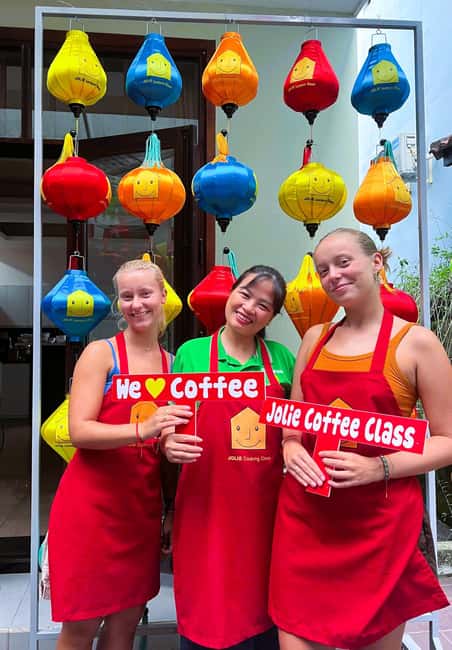
Around 10:30 AM in the morning session, or 4:00 PM in the afternoon, the focus shifts to cooking. The timing gives you a clean break between the coffee lesson and the food preparation.
You learn about herbs, spices, and traditional techniques that give Vietnamese food its character. The important point is participation. You are involved in chopping ingredients and preparing the dishes, rather than watching a chef do every task while you wait.
The available details do not name the recipes, so I would not book this class expecting a specific dish such as pho or banh xeo. Instead, think of it as a chance to cook traditional Da Nang food in a home-style setting. That can be more useful than a single famous recipe because you pay attention to the building blocks of the cooking: herbs, seasoning, preparation, and balance.
One account describes making four different dishes from start to finish. That is a substantial amount of cooking for a half-day class. It also means you may spend a fair amount of time chopping and preparing, which is good news if you want real practice but less appealing if you prefer a quick demonstration.
Wear comfortable clothing. You may be standing, handling ingredients, and moving through several cooking steps. Bring a camera if you want pictures of the coffee, ingredients, or finished meal, but do not let photography replace the hands-on work.
Sitting down to eat what you made
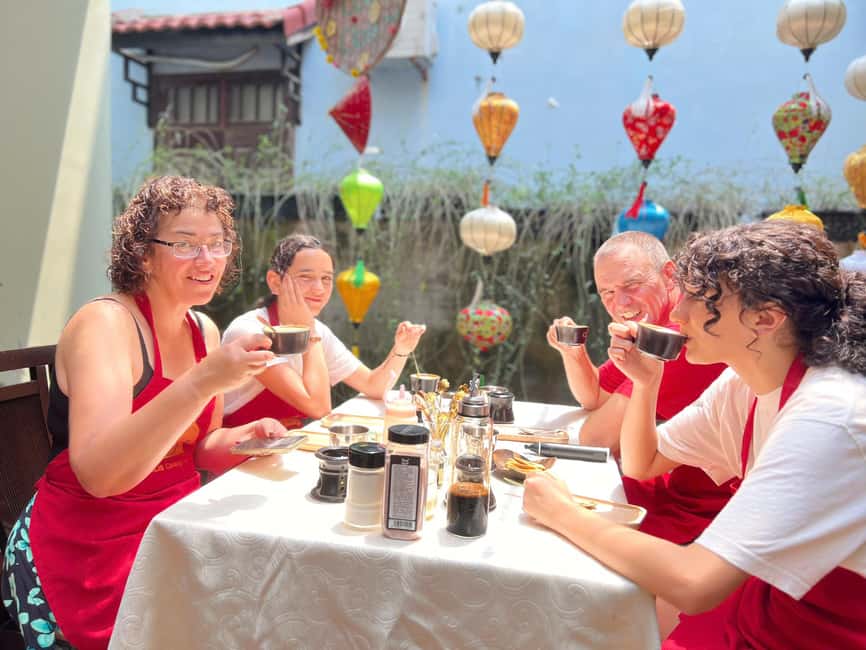
The meal comes around 1:00 PM in the morning session and 6:30 PM in the afternoon session. This is where the class earns much of its value. You are not tasting a chef’s work from a distance. You sit down with food you helped prepare.
The meal also gives you a chance to compare the cooking process with the final result. You may notice how much flavor comes from simple herbs, spice combinations, and careful preparation rather than from complicated equipment.
The setting is described as welcoming and home-style. After eating, you may have the chance to play guitar or piano if you can. That detail gives the ending a relaxed, social feel, though it should be treated as an optional extra rather than a guaranteed performance or music lesson.
Because the class ends with a proper meal, it can replace one restaurant stop. That does not mean you should arrive starving. The caffeine advice and the long schedule both point to moderation at the start.
What the small group changes
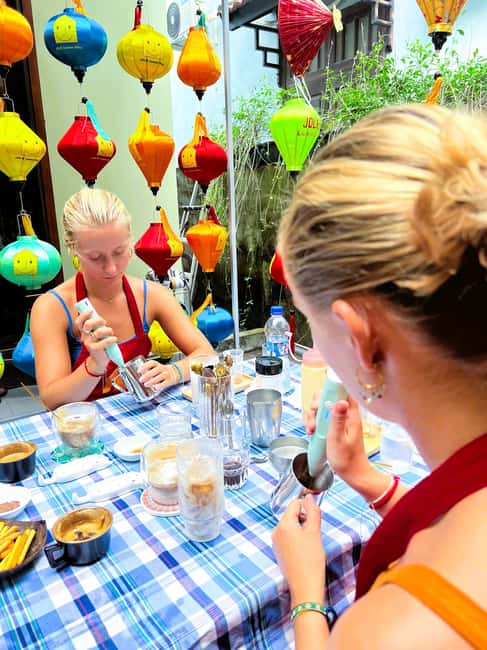
A small group is one of the strongest reasons to choose this class over a large cooking demonstration. Coffee brewing can be fiddly, and cooking requires enough counter space and instructor attention. In a smaller class, you have a better chance of getting help when your egg foam, filter, or chopping technique goes wrong.
One participant described being in a group of three and receiving patient help after an egg coffee did not work on the first attempt. That is exactly the kind of support you want. Mistakes are part of a hands-on class, and a good instructor should help you correct them rather than move on.
The format also suits people who want to ask questions about Vietnamese coffee culture. You can ask about the beans, the brewing method, and the differences among the drinks without trying to be heard across a large room.
The tradeoff is that a small-group class can feel more personal and less anonymous. If you prefer to quietly watch from the back, this may require more participation than you want. The experience is built around making things yourself.
Who should book this experience
I would recommend the class to several kinds of visitors:
- Coffee beginners: You get a clear introduction to Robusta beans, phin brewing, and three well-known coffee styles.
- Coffee enthusiasts: The class offers technique and cultural context, not just samples.
- Food-focused visitors: You prepare traditional dishes and eat them afterward.
- Families: Children are welcome, and the hands-on format can keep them involved, with adult supervision around coffee and kitchen work.
- Couples and small groups: The setting encourages shared preparation and conversation.
- Visitors staying near central Da Nang: The meeting point near Dragon Bridge is easy to build into a city itinerary.
I would think twice if you have heart problems, dislike caffeine, or want a class centered on one clearly named recipe. I would also skip it if your main goal is a professional cooking qualification. This is a cultural food experience, not a formal culinary course.
Practical value at $50 per person
The $50 price makes the most sense when you count the full package. You receive a 4.5-hour activity, coffee education, several tastings, cooking instruction, a meal, and English-language guidance.
A café visit would cost much less, but it would not teach you how to use a phin or prepare egg, salt, and coconut coffee. A restaurant meal might also be cheaper, but it would not give you the satisfaction of making several dishes yourself.
The small-group setting adds value because the activity depends on personal correction. If you were only being shown a recipe, group size would matter less. Here, it can affect how much you learn.
The class also gives you practical take-home skills. You may be able to buy a phin and recreate the coffee at home. The cooking techniques can be useful too, although the exact recipes and ingredient measurements are not specified in the available information.
Free cancellation up to 24 hours before the start and a reserve-now, pay-later option make the booking less rigid. The activity is also listed as wheelchair accessible, which is useful to confirm when planning, especially if you need specific arrangements.
Should you book Jolie Cooking Class?
Book it if you want a social half-day built around Vietnamese coffee and food, especially if you enjoy doing the work rather than watching a demonstration. The combination of phin brewing, three signature coffee styles, several cooked dishes, and a sit-down meal gives you a lot for the time and price.
Go in prepared for strong coffee, a full schedule, and plenty of participation. Eat lightly beforehand, wear comfortable clothes, and keep your expectations focused on learning local techniques rather than receiving a fixed restaurant menu.
For $50, this is a solid choice near Dragon Bridge. It is most appealing to curious eaters, coffee drinkers, families, and anyone who wants a practical connection to Da Nang’s food culture.
FAQ
Where is Jolie Cooking Class located?
Jolie Cooking Class is at 14 An Trung Dong 6 in Da Nang, near Dragon Bridge. The listed coordinates are 16.059999465942383, 108.23539733886719.
How long does the class last?
The activity lasts 4.5 hours.
What time does the class start?
You can choose an 8:30 AM start or a 2:00 PM start, subject to availability.
Which Vietnamese coffees will I make?
The class includes egg coffee, salt coffee, and coconut coffee. The coffee session also covers traditional phin brewing.
Will I learn how to use a phin filter?
Yes. The class teaches the role of the phin filter and gives you hands-on practice with the slow brewing method.
Is cooking included in the price?
Yes. The experience includes a cooking session focused on traditional Da Nang dishes, followed by a meal you prepare yourself.
Is the class taught in English?
Yes. English is the listed teaching language.
Are children allowed to attend?
Yes. The activity is listed as child-friendly.
Is the class suitable for people with heart problems?
No. People with heart problems are listed as not suitable for this activity because of the coffee tasting.
Just added around Da Nang
- From Da Nang: Ba Na Hills Golden Bridge Private Tour & Lunch★ 3.3 · 3 reviews
- Best Tour/Transfer to Hue Imperial City from Da Nang/ Hoi An★ 5.0 · 3 reviews
- Golden Bridge- BaNa Hills & Marble Mountain By Private Car★ 4.7 · 3 reviews
- Danang Private Guided Night Tour and Bar★ 5.0 · 3 reviews
- Hot Mineral Mud Bath in Da Nang★ 3.5 · 3 reviews
- Da Nang: BaNa Hills & Golden Bridge Day Tour With 5 options★ 5.0 · 3 reviews
- Danang Food City Tour by Motorbike – Private Tour★ 5.0 · 3 reviews
- Da Nang: Da Nang Charming show ticket★ 4.6 · 3 reviews
Vietnamese Cooking Classes, compared.
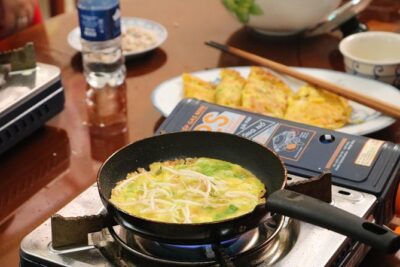
5 Dishes Cooking Class with Market Trip in Da Nang
Read our review →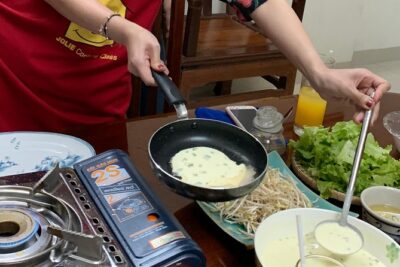
Da Nang Cooking Class with Coffee Tasting and Market Visit
Read our review →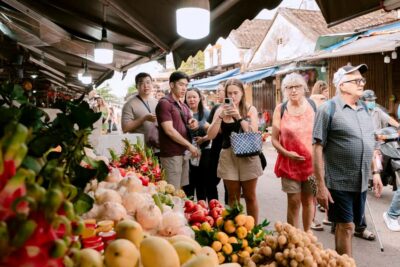
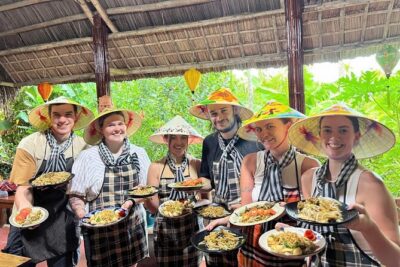
RICE PAPER Noodle Making Experience & Hoi An Cooking Class Class
Read our review →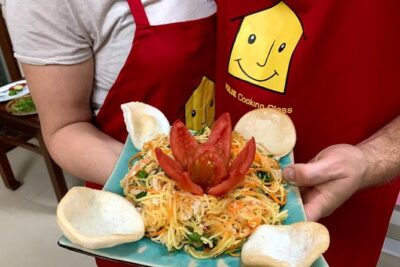
DaNang Farm-to-Table Cooking Class with Market and Coffee Tasting
Read our review →
My Son Sanctuary Guided Tour with Rice Paper Making from Da Nang
Read our review →Browse the lists this tour appears in